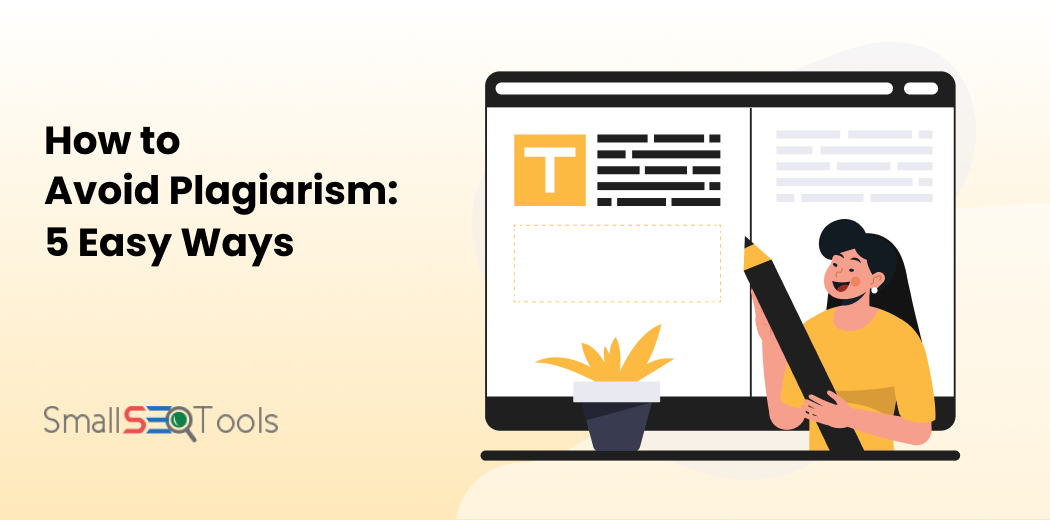
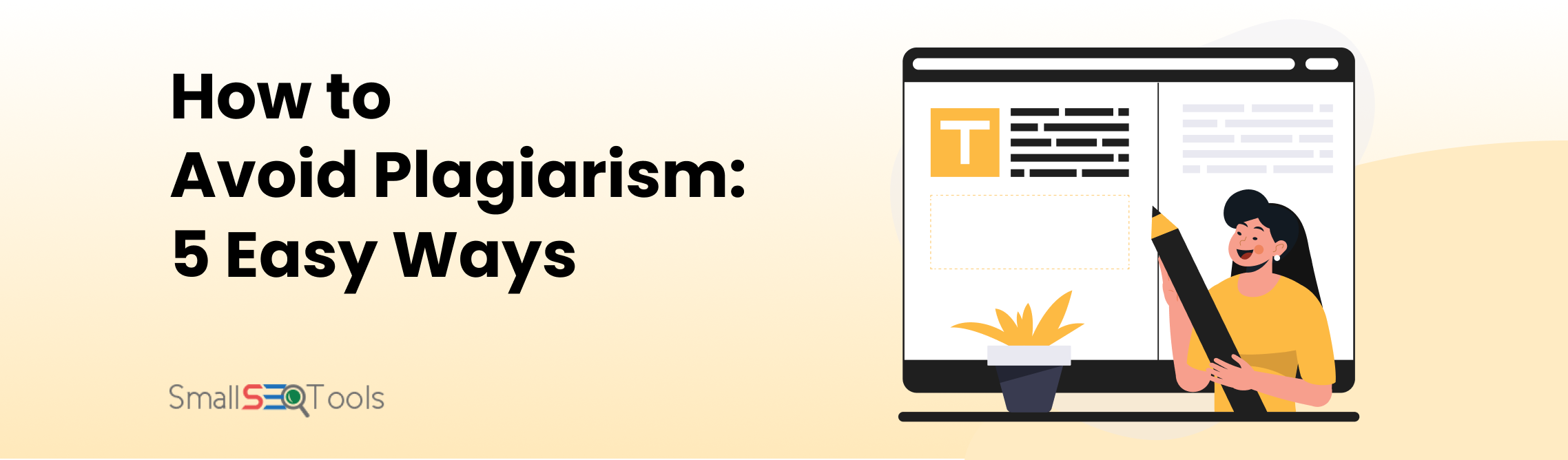
How to Avoid Plagiarism: 5 Easy Ways
Academic work looks for originality supported by proper source credit. Plagiarism ruins academic standing, leads to failing marks, and can result in expulsion from institutions. Writers often struggle when using sources correctly while staying original. Avoiding plagiarism doesn't require complex methods or lengthy training, though. Five simple tactics help produce honest work respecting intellectual property. This guide walks through smart approaches to keep writing original and properly attributed.
Recognizing Plagiarism Fundamentals
Plagiarism basically happens when you use someone's words, ideas, interpretations, or work without giving them credit. Understanding different forms of this act helps you avoid them completely:
- Copying text straight from sources without quotation marks or citations
- Paraphrasing too closely, where you just swap a few words around
- Presenting research discoveries as your own original findings
- Mosaic plagiarism blending lifted phrases with your writing
- Practise involving reusing your own earlier work without disclosure
- Accidental plagiarism through poor citation practices
Any facts that are not considered “common knowledge” need attribution, no matter how you present them. Knowing these boundaries keeps your work clean and credible.
Five Prevention Methods To Stop Plagiarism
These approaches combine to provide solid protection against plagiarism while strengthening writing.
First: Manage Your Schedule Well
Rushed projects cause plagiarism more than anything else. Looming deadlines without enough prep make desperate shortcuts look tempting.
Begin assignments right after getting them. Split big projects into smaller pieces with personal deadlines ahead of official dates. Week one covers topic selection and initial research. Week two handles source gathering and note-taking. Week three focuses on outlining and creating a first draft. Week four tackles revision and citation verifications.
This planned route eliminates the last-minute panic that leads to bad choices. Furthermore, enough time helps you better understand sources and express your ideas in your own words.
Second: Take Notes Carefully
How you take notes hugely affects the danger. Copying source words into notes and then forgetting where they came from causes a ton of accidental problems.
Build a system that clearly separates your unique thoughts from the source material. When grabbing information from sources:
- Stick direct quotes in quotation marks right away
- Write source information next to every note
- Use different colours for quotes, paraphrases, versus your thoughts
- Mark page numbers for each piece of information
Try shutting off the sources after reading, then jot down what you recall in your own words. This encourages genuine paraphrasing rather than merely rewording the original material.
Third: Learn Real Paraphrasing
Real paraphrasing expresses someone's ideas using totally different words and sentence structures. Just swapping synonyms doesn't cut it.
Good paraphrasing requires understanding the idea fully, then explaining it as if you were teaching someone new to the topic. Read the source bit several times until you finally get the main point. Put it away, then write your explanation without peeking back.
Stack your version against the original, checking for:
- Different sentence builds and lengths
- Changed vocabulary throughout
- Switched information ordering
- Your personal voice and style
Even perfectly paraphrased material needs citations showing the origins of ideas. Paraphrasing handles words, but attribution handles the ideas.
Fourth: Quote With Purpose
Direct quotes fit specific spots where paraphrasing won't work as well. Use them when original wording hits particularly hard, when analyzing specific language, or when rewording loses important meaning.
Keep quotes brief and choosy. Long block quotes hint that you couldn't explain ideas yourself. Lead into quotes with your sentences explaining their relevance:
- Give context before the quote appears
- Show the quoted stuff properly formatted
- Explain its importance after including it
- Tie it to your argument clearly
Most importantly, Balance quotes with your original thinking. Your voice should lead, and you should quote back the points you're making. Papers packed mainly with quotes lack original thought despite proper citation.
Fifth: Attribute Sources Correctly
Unsure if something needs citation? Add one anyway. Because over-citing creates zero problems, on the contrary, under-citing brings plagiarism troubles.
Learn the citation styles your field requires, such as APA, MLA, Chicago, or others. Each format carries specific rules for in-text citations and reference lists. Core citation ideas across styles include:
- Cite right after using source info
- Include author and year for most styles
- Give page numbers for direct quotes
- List complete source details in references
The plagiarism checker free verifies that you credited everything requiring attribution. Scanning drafts with an advanced tool before submission catches missed citations and sections that match sources too closely. This self-scanning approach builds understanding about proper crediting requirements.
Developing Strong Practices
Certain habits make avoiding plagiarism easier over time for all writers. Pay attention to them:
- Build a personal citation library tracking all sources you check
- Use the citation generator for organizing references
- Keep even basic spreadsheets listing sources with key info
- Practice paraphrasing with smaller assignments before big papers
- Show your paraphrasing attempts to your mentors
These practices prevent losing track of where information started and build skills through feedback.
Getting Support When Needed
Struggling with writing or citations doesn't excuse plagiarism; it simply shows that you need guidance.
To address this, Writing centres offer tutoring in paraphrasing, citation, and general writing skills. Librarians also extend assistance with research and source checking. Similarly, professors hold office hours for questions about assignments and for writing guidance you might need.
Avail these resources before desperation pushes you towards questionable moves. Getting help grows skills while guarding academic honesty. When you ask questions, you demonstrate engagement rather than weakness in your learning process.
Common Misconceptions to Consider
Several wrong ideas about plagiarism create mix-ups, causing violations:
- Switching a few words doesn't make paraphrasing okay. The entire structure and wording must differ greatly from the original
- Common knowledge often goes uncited, but figuring out what qualifies can be tricky. If you learned info from a specific source instead of already knowing it, cite that source
- Images, graphs, and data need credit just like text; visual pieces also come from sources requiring acknowledgment
- Making your own graph from someone's data still needs a citation for the data source
- Proper citations don't slow down writing; instead, they prove thorough research and protect credibility
Understanding these realities prevents accidental problems.
Capping Off
Dodging plagiarism guards your academic standing and supports real learning. Plan enough time so you don't rush at the last minute. Grab careful notes, separating source stuff from your thoughts. Master genuine paraphrasing through practice and comprehension. Drop in quotes sparingly when rewording won't work. Credit everything properly using the required formats. The online plagiarism checker catches missed citations before submitting work. Forming solid habits around these tactics makes avoiding plagiarism feel natural rather than burdensome. Academic success comes from building skills and doing honest work, not from shortcuts that undermine your education and character.